Assessment of Coliform Levels in Selected Sites of Lianga, Hinatuan, and Bislig Bays of Surigao del Sur, Southern Philippines
Authors
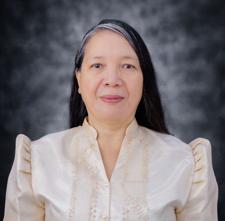
Ruby C. Gonzales
Corresponding author
Marnelle B. Sornito
Co-author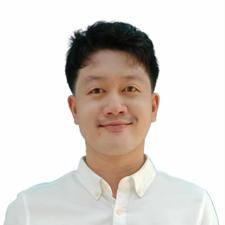
Ariel T. Antinero
Co-author
Bernadeth Grace S. Panaganan
Co-author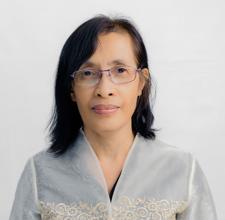
Emilie G. Tubio
Co-author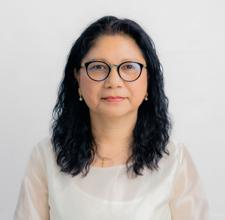
Mariefe B. Quiñones
Co-author
Daniel D. Gonzales
Co-author
Michel N. Payca
Co-author
Phresnofi D. Noval
Co-author
College of Fisheries and Marine Sciences, Mindanao State University at Naawan, 9023 Naawan, Misamis Oriental, Philippines
Office of Research, Innovation and Global Engagement, Mindanao State University at Naawan, 9023 Naawan, Misamis Oriental, Philippines
Iriomote Station, Tropical Biosphere Research Center, University of Ryukyus, Uehara, Taketome, Yaeyama, Okinawa, Japan
United Graduate School of Agricultural Sciences, Kagoshima University, Kagoshima, 890-0065, Japan
Sagay Multi-species Hatchery, Bureau of Fisheries and Aquatic Resources
*Corresponding author: [email protected]
ABSTRACT
Fecal pollution is a major water quality concern that poses significant health risks, primarily due to untreated domestic waste and inadequate sanitation. A coliform assessment was conducted at 20 selected sites in Lianga, Hinatuan, and Bislig Bays of Surigao del Sur from January 30 to February 8, 2019, to determine the presence of total and fecal coliforms and to estimate their densities using the most probable number (MPN) method. Water samples were analyzed using a standard multiple-tube fermentation technique, following the presumptive-confirmed and completed phases. Results were evaluated and classified in accordance with the 2016 Water Quality Guidelines and the General Effluent Standards established by the Department of Environment and Natural Resources (DENR). Nine sites recorded the highest total coliform counts (