Socio-Economic Condition Among the Fisherfolks in Iligan Bay, Northern Mindanao, Philippines
Authors

Mariefe B. Quiñones
Corresponding author
Cesaria R. Jimenez
Co-author
Harry Kenn T. Dela Rosa
Co-author
Margarita C. Paghasian
Co-author
Jeanette J. Samson
Co-author
Jerry P. Garcia
Co-author
Mindanao State University at Naawan, Naawan, Misamis Oriental
Mindanao State University- Maigo School of Arts and Trades, Maigo, Lanao del Norte
*Corresponding author: [email protected]
ABSTRACT
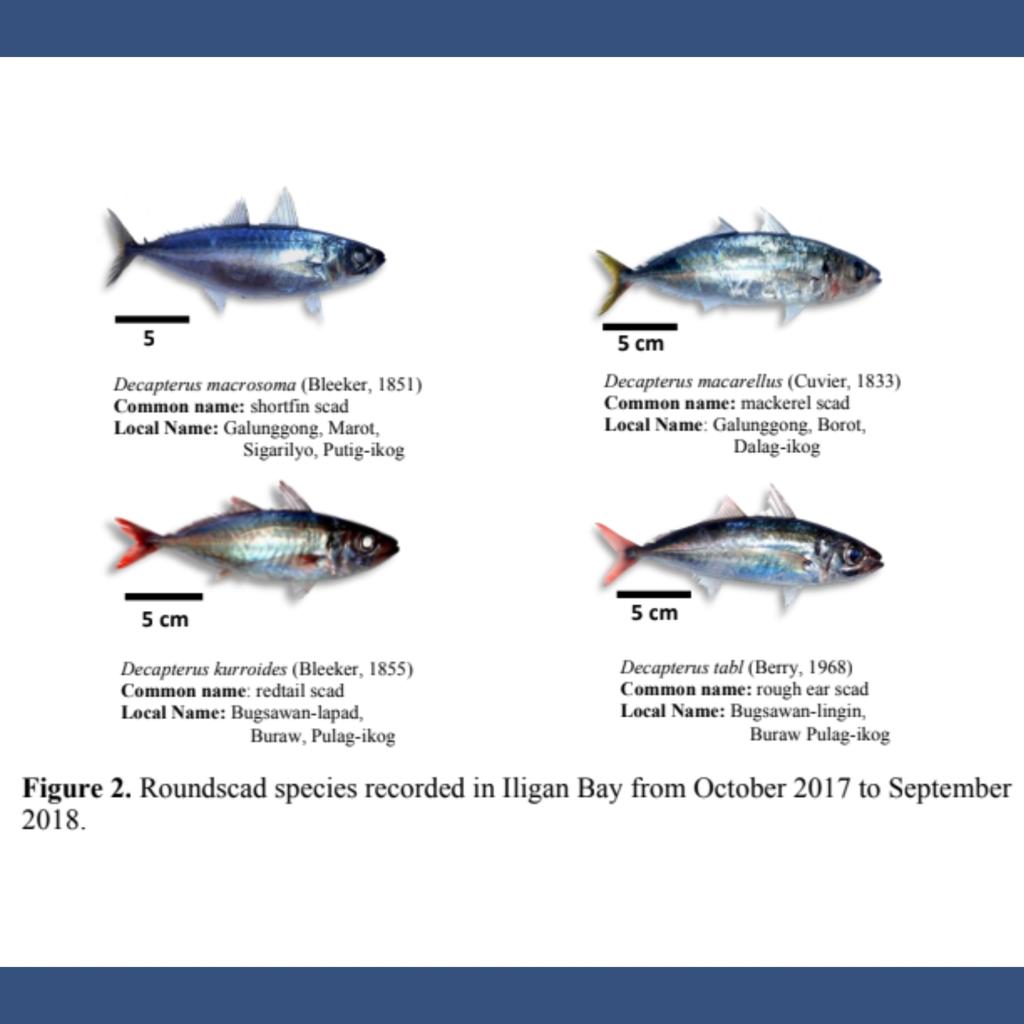
A one-year assessment on the fishery and reproductive dynamics of roundscads was conducted from September 2017 to October 2018 to determine the status of the fishery in Iligan Bay, including information on the socio-economic condition of the fishers in the Bay. The study used Focus Group Discussions (FGDs) and Key Informant Interviews (KIIs) conducted between September to October 2017 and secondary data to gather information on the number of fishers, type and number of boats, type of fishing methods and number of fishing gears, income, expenditure distribution, and non-fishery-based income sources as well as the fishers’ perception on issues and problems affecting their catches. The Bay had an estimated 15,357 fishers across all sites from 17 municipalities and two cities based on focus group discussions. Most fishers were from the province of Misamis Occidental or representing about 74% of the entire fisher population operating in the Bay. Iligan Bay has an artisanal or subsistence type of fisheries where most fishers rely mainly on traditional methods to harvest fish resources except for the commercial fishers operating the ring net or “kubkuban”. Thirty-three types of municipal fishing gears were operated in the Bay, nine of which could capture roundscads. Traditional fishing often could not provide higher revenues so that fishers, their wives and even their children had to engage in additional livelihood activities to supplement their daily earnings such as operating a sari-sari store, livestock rearing, and farming. Fishing remained a popular and important source of livelihood for most fishing households in the bay, despite having irregular and low income from the activity which is perceived by the fishers to have been largely affected by illegal fishing practices and habitat destruction.